Why QT matters
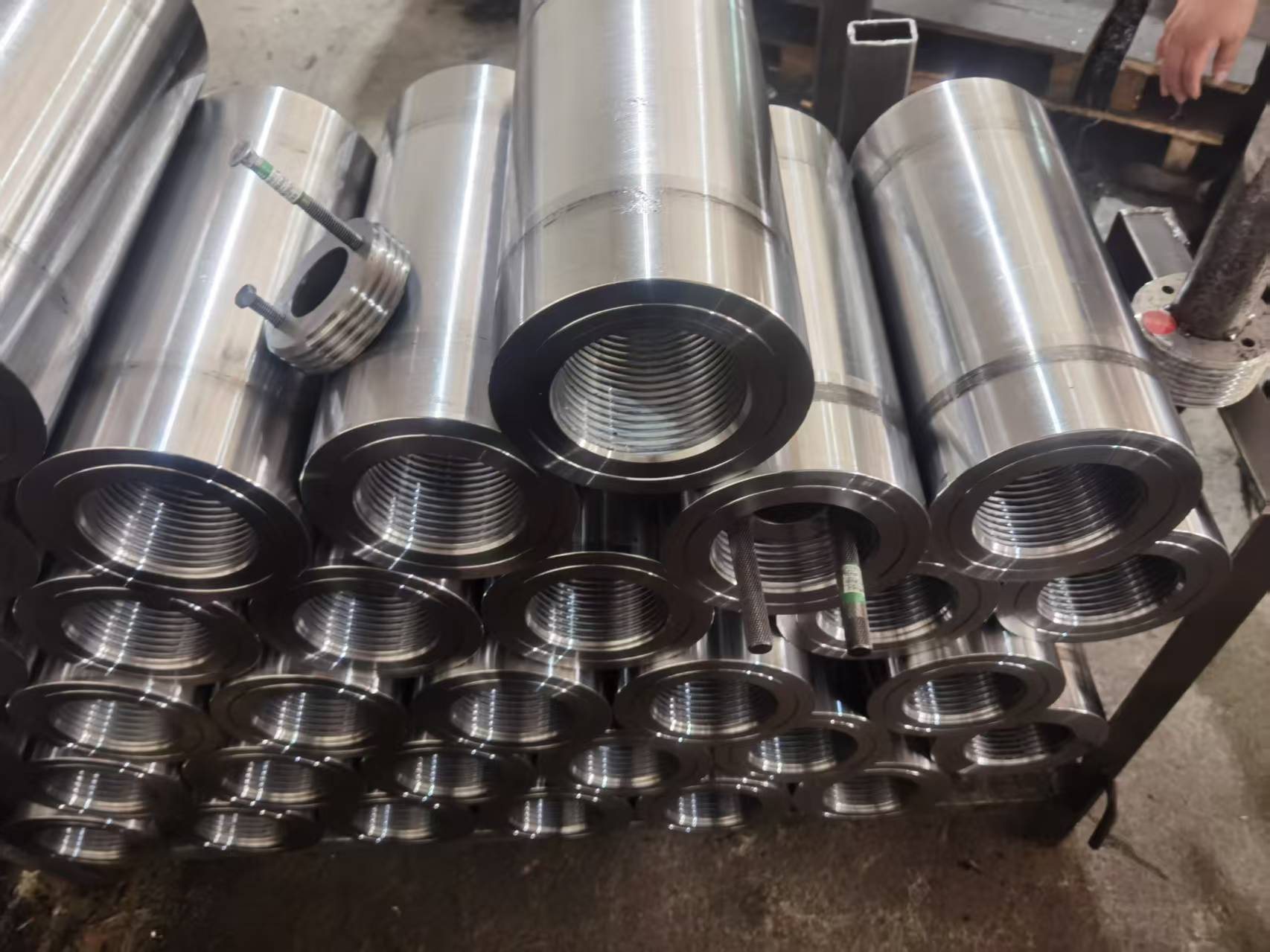
QT condition is requested when buyers need a controlled strength and toughness route for components such as shafts, rods, fasteners, and heavy machinery parts.
Technical Resource
QT means quenched and tempered. For alloy steel bars, QT language should always be connected to grade, size, target properties, order standard, and downstream use.
Buyer Guide
Use this guide to prepare a clearer specification and reduce back-and-forth during RFQ review.
QT condition is requested when buyers need a controlled strength and toughness route for components such as shafts, rods, fasteners, and heavy machinery parts.
Do not assume a single universal property level from the letters QT alone. The required standard, diameter, heat-treatment route, and test scope should be stated clearly.
Send grade, equivalent standard, diameter, length, quantity, target condition, target mechanical properties if known, test items, certificate requirements, and destination.
Related Pages
Open this page to connect the guide topic with product, processing, document, or RFQ details.
Open this page to connect the guide topic with product, processing, document, or RFQ details.
Open this page to connect the guide topic with product, processing, document, or RFQ details.
Open this page to connect the guide topic with product, processing, document, or RFQ details.
FAQ
No. QT condition must be tied to grade, size, order standard, and target mechanical properties.
For demanding applications, state the required test items and certificate format during RFQ review.
Yes. Send the grade, size, condition target, application, and document requirements for review.
RFQ
Include delivery condition, processing requirement, destination port, testing requirements, and certificate expectations so the supply route can be reviewed clearly.